Part 2
When I teach a class, I sometimes ask students to point to their instrument. After the quizzical looks they start to lift a hand and point either to their necks or their mouths. It’s a trick question. If singers have an instrument, it’s the text.
Every language is a different instrument for the singer and to master singing is to master the idiomatic specificities of each one. Too often I hear young singers forming sounds, in French for example, as if they could transfer English vowel formations directly. Very few French vowels have a direct relation to English.
In English there are two aspects of pronunciation that make it very difficult for second language English speakers to sound like first language speakers. The first is the schwa, the neutral “er” sound that colours almost every English vowel sound.
Listening to the same students I was teaching in choir practice prior to writing this entry, I heard them sing “thu Holly Gost” instead of the “the Holy Ghost”. The difference is simply identifying the true sound we make when we say Holy and Ghost. It’s a blended vowel. The mouth shape is that of an O while the sound creates behind the mouth aperture is closer to an “er”.
The problem is that the distorted O sound has become an accepted mispronunciation of sung liturgical text. Because so many British singers spring from the UK’s choral tradition, there are many young British singers who get into the habit of distorting the true vowel sounds when they sing non-liturgical music.
The second omission of the true sound of the words in Holly Gost is the diphthong. As we lift the tongue to articulate the L of Holy, we close the stream of air as it passes through our mouth and the “er” sound shifts to an “oo” sound. We’re so used to hearing and forming diphthongs when we speak that we don’t realise we’re doing it.
Diphthongs are seasoning on English text. Too little and it remains colourless and bland; too much and it becomes distracting and mannered. My preferred method of deploying diphthongs is to delay them until the very last moment of the measured vowel, for them to be part of the next consonant.
When I hear a singer who has identified the true colour of vowels within words and who works to adapt their technique to sing the text as if they were speaking it, I know I’m hearing a born singer. That’s to say, someone who sings in order to enhance the text, to take its meaning into a meta realm where it channels the composer’s emotional and lyrical response to the words.
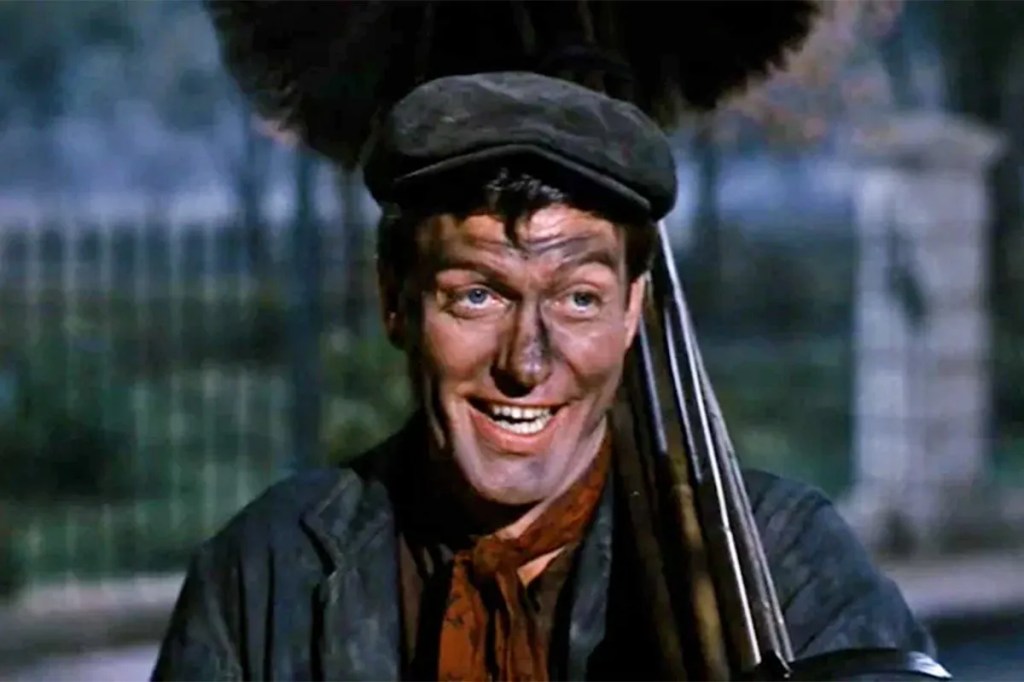
So far I’ve only touched on the art of singing in English. In second languages – French, Italian and German being the most commonly sung languages – we have to be studiously precise to convince native speakers that we have mastered their language. French and Italian audiences are particularly picky about authentic pronunciation. They react to poor pronunciation as if it were an affront. English audiences tend to be mildly amused, at worst, if they perceive inauthentic pronunciation – think Dick Van Dyke in Mary Poppins. I once heard a Parisian audience boo a singer for her poor French.
On stage, the opera singer’s mind is occupied by contact with the conductor, telling the story, breathing, pitch, remembering how the music goes, listening to the orchestra and singers, the location of the other performers on the stage, along with the meaning of the text. If we add pronunciation to the already long list of concerns we can reach overload. Language coaches are an important part of the preparation process. They are present in every rehearsal and the good ones are willing to make themselves unpopular to enforce their standards of clarity.
Mastery of language is the quality that distinguishes great singers from good singers. The precision engineering of technique required to find the natural sounds of words, often relying on the language coach to act as a mirror to help the singer find the right sounds through trial and error, takes time and patience. Repetition is a vital part of the process, allowing the technique to become second nature to alleviate the long list of things to process on stage.
That is why I say language is the instrument of singers. Every language is a different instrument requiring a different set of disciplines and subtly modified technique.
Tomorrow I will write about text and interpretation: what it takes, once a singer has learnt to be disciplined about the fidelity of sung text to spoken text, to hold an audience’s attention and take them on a meaningful sung journey.
 Toby the Tenor
Leave a comment