Part 1
I taught a class of young aspiring singers last night. They were all natural and listenable singers, each with their own strengths.
The one thing I try to impress on students is the importance of text. Making a nice sound is arbitrary if the singer doesn’t convey the words in pronunciation or sense.
Young singers tend to work on vowel sounds in isolation. Exercises go ah-ah-ah-ah-ah-ah-ah or ee-ah-ee-ah-ee. It’s the way we’ve always taught singing and the result is that young singers have always undervalued consonants as tools for communicating through song.
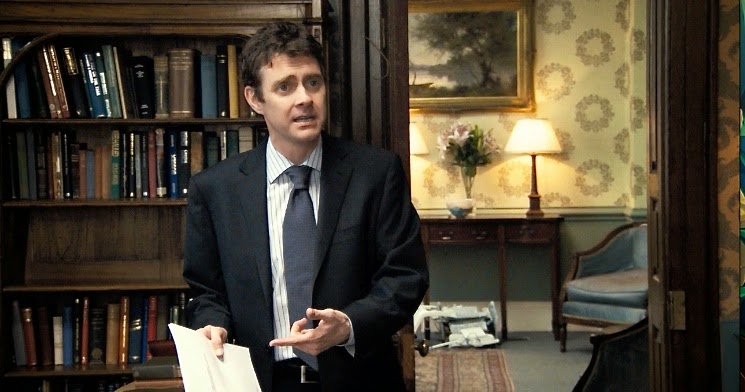
In Armando Iannucci’s film “In the Loop”, the gruff advisor Jamie MacDonald (played by Paul Higgins) walks into an office in which a Bach aria can be heard playing through a speaker. He points at the source and snaps “Turn that off. It’s just vowels. Subsidised vowels.” The line makes me guffaw every time.
Actors say vowels carry the emotion and consonants show the intention. I agree with them and work with young singers to accept that consonants are as much a part of singing as the vocalisations in between. Part of the challenge is to get the students to re-engineer their technique to accommodate the added effort of projecting the percussive sounds. Strong consonants require more air from the lungs and therefore more strength to support the extra intake of breath.
The extra support requires everything they used to think about singing to change. Often students struggle to accentuate their consonants as much I want them to so I have to win their trust. A look of alarm appears on their faces as I demonstrate how exaggerated I want them to be when they sing Your HaNDS Lie oPeN. If you try it yourself you will find that the vowels naturally balance with the consonants because the passage of breath releases into the vowels having being restricted by the articulation of the tongue, teeth and lips for the consonants.
One class is not enough time to establish all the changes that need to take place for a student to fulfil their potential but at least they discover there’s more than one way to sing and will hopefully explore their discovery after our class. As I said, to get them to do so, trust is imperative.
The teacher-pupil dynamic has changed since the millennium. When I was a student, masterclasses were a lottery in which students were never sure whether the person taking the class would be encouraging or demeaning. Elisabeth Schwarzkopf, the poster child for the post-war revival of music in Germany, was famous for her public humiliations of young singers. Thankfully, those days are gone. Building a young person’s confidence and self-belief yields positive results quicker than coercion with the added benefit of individuality thrown in.
Still, the look of surprise and uncertainty as I lead them into the unknown requires reassurance. I tell them “change feels strange” and hope the words resonate in all aspects of their lives, encouraging them to leave their comfort zone and try something new.
And that’s just the sounds. I will dig into text, poetry and song tomorrow.
 Toby the Tenor
Leave a comment