Written in 28th August, 2024
On Sunday there was a story in the papers about a new Italian production of Puccini’s La Boheme that has raised eyebrows. Gianluca Terranova, an Italian tenor, has produced what he calls a “pocket-sized” version of Puccini’s pot-boiler. In the coverage I read, it was claimed the opera had been reduced from 2 hours 40 minutes to 90 minutes.
Strange, I thought, are they working on an original version with a 15 minute interval between each of the four acts? Reducing La Boheme to 90 minutes is neither a remarkable feat nor is it likely to leave much of the opera on the cutting room floor because the full length opera is only 110 minutes long.
Terranova’s aim is for the opera to have appeal to the TikTok generation. Apparently, the missing pages of the score are narrated by two of the characters to speed things along. Great! But, come on, lopping 18% out of the piece is a fairly weak attempt at compressing the simple story.
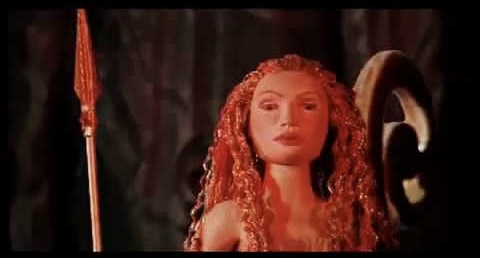
If you want to see radically reduced opera, Alan Platt’s stop motion version of The Ring from 2000 manages to reduce Wagner’s sixteen epic hours to 30 minutes. It’s as tenderly produced a version of The Ring as you will see anywhere and the puppet figures are less wooden than many Wagnerian singers.
In the coverage I read of the new Boheme, it was claimed “The purists are aghast. “I consider every note written by Puccini sacred,” one Italian opera critic wrote.“ Really? Is that a weighted representation of the voices who have reservations about truncated opera or is that one shrill voice there to reinforce the fallacy that opera is for snobs?
I consider myself to be an opera purist in so much that I believe the composer’s final version is the most complete edition of the score. I also believe we are in the business of entertainment and tightening the screws of the material makes for better drama. If you’ve ever been to The Marriage of Figaro and had to put up with Don Basilio’s act 4 aria “In quegl’anni in cui val poco” you’ll know what I mean. The stodgy aria is nearly always cut because it sits exactly where you want the action to pick up pace for the final denouement of the Count.
Mainstream operas like Boheme and Figaro come around too frequently, being dependable “bankers” for opera companies’ financial planning. As works of art, they are safe from being permanently damaged because they are preserved on the pages of a book that will forever be the urtext reference and starting point for new work based upon it.
One of the best productions I ever saw of anything took sacrilegious liberties with the original score. It took place at Salzburg Festival in 1999. I went to see as many rehearsals of it as I could to drink in its inspiration. It changed my view of what opera can be and how robust the best works are when a director moulds them to a new meaning.
Unlike Alan Platt’s beautiful short animated Ring (link below), you can’t find the Salzburg production I’m writing about on YouTube. I will describe it in my next post.
 Toby the Tenor
Leave a comment